Sorted by target category

Shipping and Warehouse Labels

What the shipping and warehouse sector needs:

Blank labels

  • A blank label with no print, in colour or white.
  • You can customise them with one of the available أنواع اللاصق.
  • Options for blank rolls are detailed on the barcode label page.

Standard paper label: for data that lasts for months

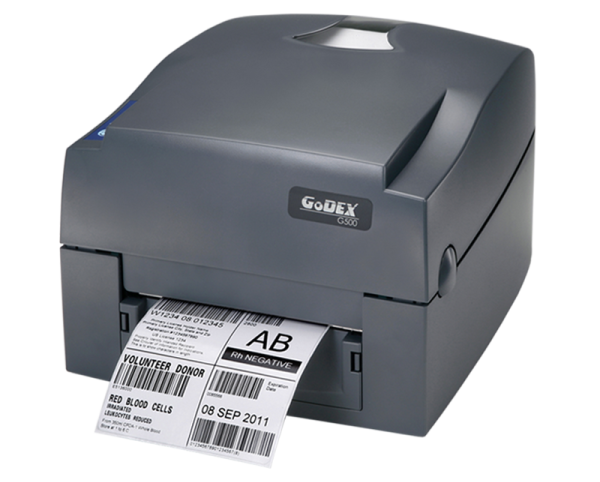
  • It needs a ribbon when printed on a barcode printer. The print lasts and does not fade in normal heat.
  • It suits data that stays in the warehouse for months.

Plastic label: resists water and humidity

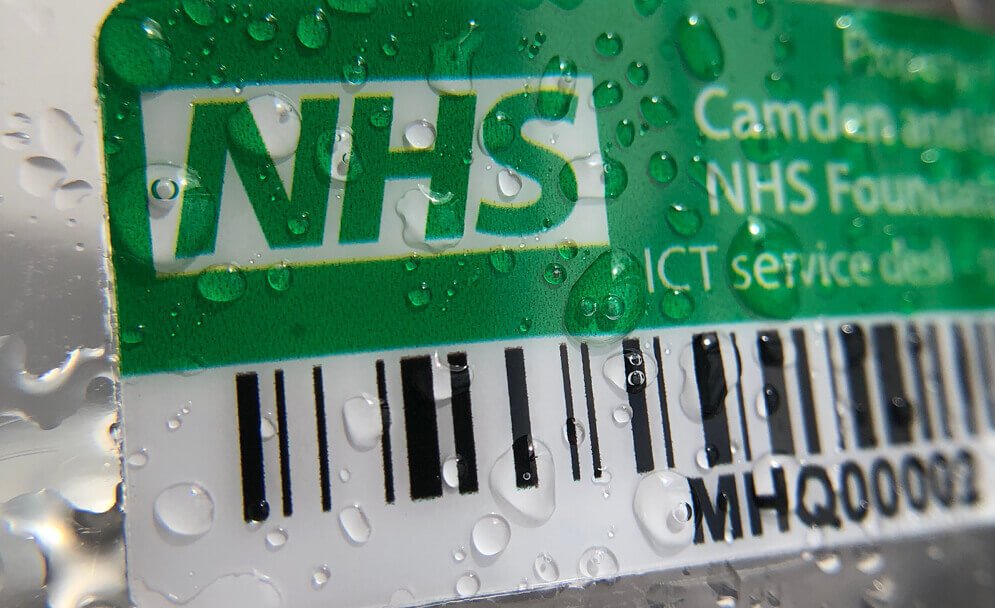
  • It resists moisture, water and tearing. It lasts longest of the three materials. If you print on it with your own printer, it needs a suitable ribbon.
  • Suits damp and refrigerated environments, and long use on shelves and pallets.

Thermal paper label: for short-term shipments

  • It is printed by direct thermal printing, with no ribbon. It is the lowest-cost material.
  • Suits short-life parcels, such as one delivered within a few days.

Colour printing: your logo on every parcel

  • A label with your logo and colours identifies your brand before the parcel is opened.
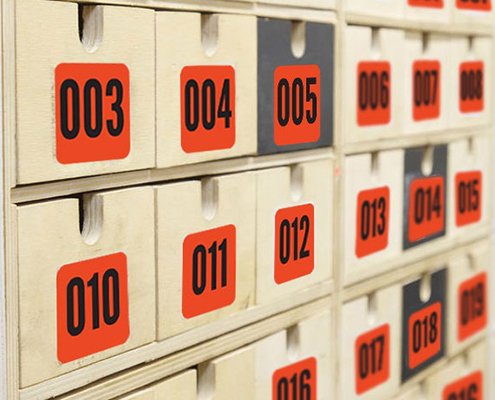
  • Colour coding on shelves to reduce picking errors in the warehouse.

Handling and warning labels:

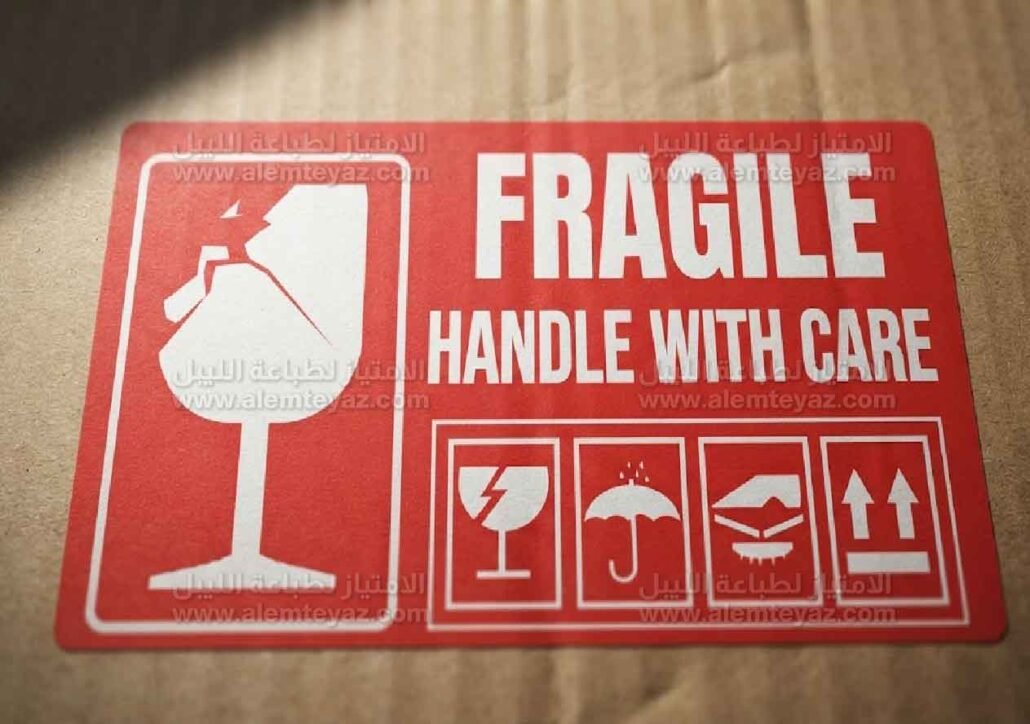
  • Fragile, “This side up” and “Do not stack” labels.
  • Labels that show how to handle the parcel. They can be printed on fluorescent stock.

Removable label: for pharmacy warehouses, labs and restaurants

  • It peels off easily without tearing or leaving marks on the surface.
  • Suits shelves, boxes and containers whose contents change or that are reused.

Hard-to-remove label: for rough surfaces and cardboard

  • Strong adhesion that sticks to cardboard, rough surfaces and fabric mattress covers.
  • It does not fall off in transit, so the shipment keeps its data.

Tamper-evident label: protects the shipment from tampering

  • It sticks over the carton opening or box lid. It tears if someone tries to remove it.
  • The receiver knows right away if the shipment was opened before arrival.

Serial numbering

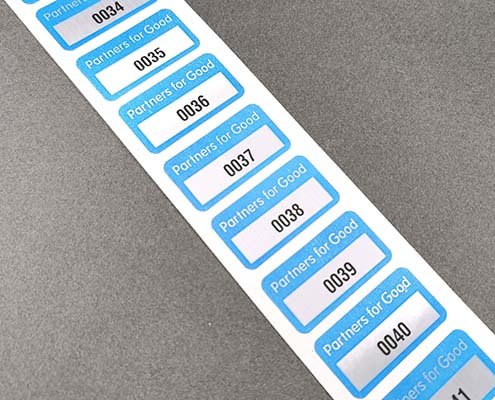
  • A unique number for each box or pallet that never repeats. It can come with a sequential QR code.
  • The result: faster stock counts, more accurate tracking, and no more manual numbering errors.
Get consultation

Ask anything on WhatsApp. We'll guide you step by step.

Get quote

Your price in one minute. We follow up directly.

Markets served by the shipping and warehouse sector

This sector covers every party that moves, stores or organises goods. Here are the main markets:

  • Shipping and delivery companies: Parcel labels, sender and receiver details, and tracking numbers.
  • Warehouses and logistics firms (3PL): Labels for shelf locations, pallets and cartons.
  • Factories and wholesalers: Tracking for incoming materials and finished goods, plus stock-count and inventory labels.
  • Online stores: Shipping labels, and labels that carry the store’s identity on the carton and bag.

Comparing the three materials:

Temporary use
✅ Stable
in normal conditions

Comparing thermal paper, standard paper and plastic labels for shipping and warehouses
CriteriaThermal paperStandard paperPlastic
Lifespan⚠ Short✅ Medium to long✅ Longest
Print durability over time❌ Fades with heat, light and rubbing✅ Stable
and resists rubbing

Cost✅ Lowest⚠ Medium⚠ Highest
How to print on it✅ Direct No ribbon⚠ Needs a ribbon⚠ Needs a ribbon
A special ribbon suited to plastic
Normal heat tolerance❌ Weak✅ Good✅ Very good
Moisture resistance❌ Weak❌ Weak✅ Excellent
Order quantity (blank labels)From 500 up to 1 million piecesFrom 500 up to 1 million piecesFrom 500 up to 1 million pieces
Colour printing⚠ Large quantities⚠ Medium to large quantities✅ From 500 pieces

Al Emteyaz’s experience with the shipping and warehouse sector since 2001

Since 2001, we have worked with companies that rely on labels for every shipment. We learned that label problems rarely show up at the press. They show up later, when the product gets hot in the truck, or when the label does not stay on the carton.

So we start with questions before we quote a price:

  • What surface will the label go on?
  • How long must it stay readable: days or months?
  • What printer do you use: direct thermal or ribbon?
  • What are the transport and storage conditions: heat, humidity, or refrigeration?

We choose the material, roll size and core diameter based on these answers. Then we send a sample for you to test on your printer and carton before the full order.

Al Emteyaz is a printer accredited by GS1 Jordan:

لينك المصدر

GS1 Jordan is the body responsible for issuing and approving global barcodes in Jordan.

So the shipment goes through several stops: receiving, sorting, loading and delivery. A barcode that cannot be read at any one of them stops the shipment or forces manual entry.

So we follow GS1 standards. Our barcodes work with warehouse management systems and commercial scanners, both in Jordan and in export markets.

Diagnosis and answers:

The price depends on the material, size, quantity, number of colours and extras. Blank thermal rolls cost the least. Plastic labels printed in colour cost the most.قم بارسال the size, quantity and printer model so you get an accurate quote.

Order directly from the press. The rolls are prepared for your printer, in a quantity that lasts several months. The price per piece drops as the quantity goes up.

Yes, in one colour or in full colour. We leave a blank area on the label where you print the shipment data on your printer, or as you request.

The thermal layer is affected by heat, light and friction after printing. A hot truck, a shelf near sunlight and long storage all speed this up. We choose the right material after we know how long the label must last and under what conditions.

Usually this is because the ribbon does not suit the material, or because the thermal material cannot handle friction. The problem shows up days after shipping or storage. Tell us which material and ribbon you use, and we will find the cause.

Not needed. Thermal labels are made to print with the heat of the print head directly, without a ribbon. Adding a ribbon raises the printing cost for no benefit. If you need print that lasts longer, the better choice is regular paper or plastic with a ribbon.

Yes, we have label materials made for cold storage. A standard label may lose its stickiness in the cold. Tell us the storage conditions of your product, and we will recommend the right material.

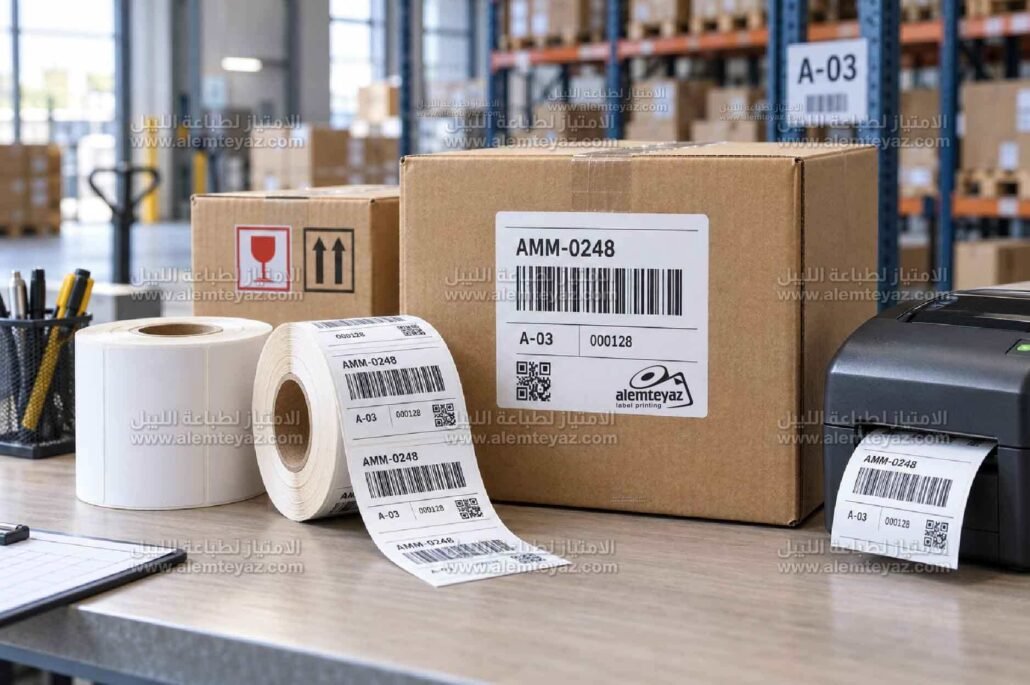
A barcode holds a number that warehouse systems and standard scanners can read. A QR code holds more data, and phones can read it too. You can print both on the same label, with sequential numbering.

It is a warning for the loader, not a replacement for good packaging. When it is clear by colour and symbol, it reduces rough handling of the parcel.

The most common size worldwide is 10×15 cm (4×6 inches). You can go smaller if the data is less or the parcel is smaller.

Yes, we prepare the roll to match your printer, whatever type it is. We need the printer model, the roll width, and the core diameter.

Get consultation

Ask anything on WhatsApp. We'll guide you step by step.

Get quote

Your price in one minute. We follow up directly.